Interactive Fire & Smoke Simulator
Build building-photograph scenarios with live fire and smoke, then run them for your crew.
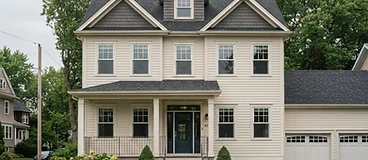
Two-Storey Dwelling — Room and Contents Fire
Complete a 360-degree size-up before entry. Establish a water supply and stretch a 1¾-inch attack line. Coordinate primary search with ventilation. Confirm extension control to the second floor.
Commercial Basement Fire — Limited Access
Locate the fire before committing crews to the interior stair. Control the stairwell as the only access and egress route. Ventilate horizontally before vertical ventilation. Account for the occupants of the upper floor.
Attic Fire — Older Balloon-Frame Dwelling
Recognise the balloon-frame construction hazard. Open the ceiling and check the wall chases. Coordinate vertical ventilation with the interior attack. Protect the exposures on both sides.
Garden Apartment — Kitchen Fire
Confirm the fire location and extent from the occupant. Isolate the utilities before the attack. Contain the fire to the kitchen of origin. Check the adjoining unit for smoke spread.
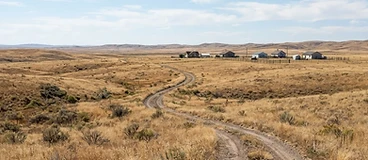
Grass Fire Threatening Structures
Establish a defensive anchor point before committing resources. Protect the threatened structures in priority order. Keep an escape route and a safety zone for every crew. Stop the fire's forward progress at the road.
Interface Fire — Wind-Driven with Home Ignition
Set up division-level command with a clear span of control. Triage structures for defence versus write-off. Manage water supply for multiple engine companies. Account for civilians refusing to leave.
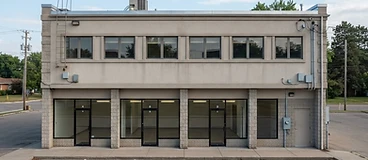
Highway Tanker Rollover — Unknown Liquid
Isolate and deny entry before identification. Identify the product from placards and shipping papers. Establish a command post upwind and uphill. Plan for product control and transfer.
Chlorine Odour at an Indoor Pool
Evacuate and account for the building occupants. Identify the product from the storage area and its labelling. Keep responders out until the atmosphere is monitored. Ventilate without spreading the product.

Trench Collapse — Worker Trapped
Control the scene and stop all work near the trench. Protect the trench from further collapse before entry. Provide patient care in place and monitor for crush syndrome. Plan for a long-duration operation with rotating crews.
Confined Space Rescue — Worker in a Manhole
Stop the would-be rescuer from entering. Test the atmosphere before any entry. Set up a non-entry or entry rescue with the right equipment. Provide patient care and hand over to EMS.
Cardiac Arrest at a Community Event
Take over the resuscitation with a clear team leader. Apply and use the AED without interrupting compressions. Assign roles and close the loop on every order. Prepare for transport and hand over to the receiving facility.
Multi-Casualty — Vehicle into a Storefront
Establish command and a casualty collection point. Triage patients with a recognised system. Request and assign additional EMS resources. Balance rescue, structural risk and patient care.
Two-Vehicle Head-On — Entrapment
Secure the scene and stop traffic before working. Stabilise the vehicle and disconnect the battery. Provide patient care through the extrication. Create a door or dash plan and carry it out.
Vehicle on its Side — Roof Impalement
Stabilise a vehicle resting on its side before anything else. Manage the impalement and the suspension of the patient. Control the spine and airway throughout. Plan the removal without destabilising the vehicle.
Strip Mall Fire — Command and Resources
Establish command and a formal incident action plan. Assign divisions and maintain span of control. Protect the common attic and the exposures. Manage the resource and rehabilitation cycle.
Apartment Building — Working Fire with Evacuation
Establish command and confirm the evacuation of the affected floors. Protect the stairwell as the primary egress route. Assign lobby control and accountability. Coordinate the fire attack with the search of the floor above.
Elevator Entrapment with a Medical Emergency
Establish contact with the occupants and assess their condition. Isolate the elevator power and control the car. Choose the safest removal method with the elevator technician. Provide patient care during the removal.
Transformer Fire with Downed Lines
Keep everyone clear of the downed conductor and the burning transformer. Establish the exclusion zone and stop traffic. Confirm the utility response and wait for isolation. Protect the exposure without committing crews to the electrical hazard.